Soft washing is a surface-and-chemistry decision
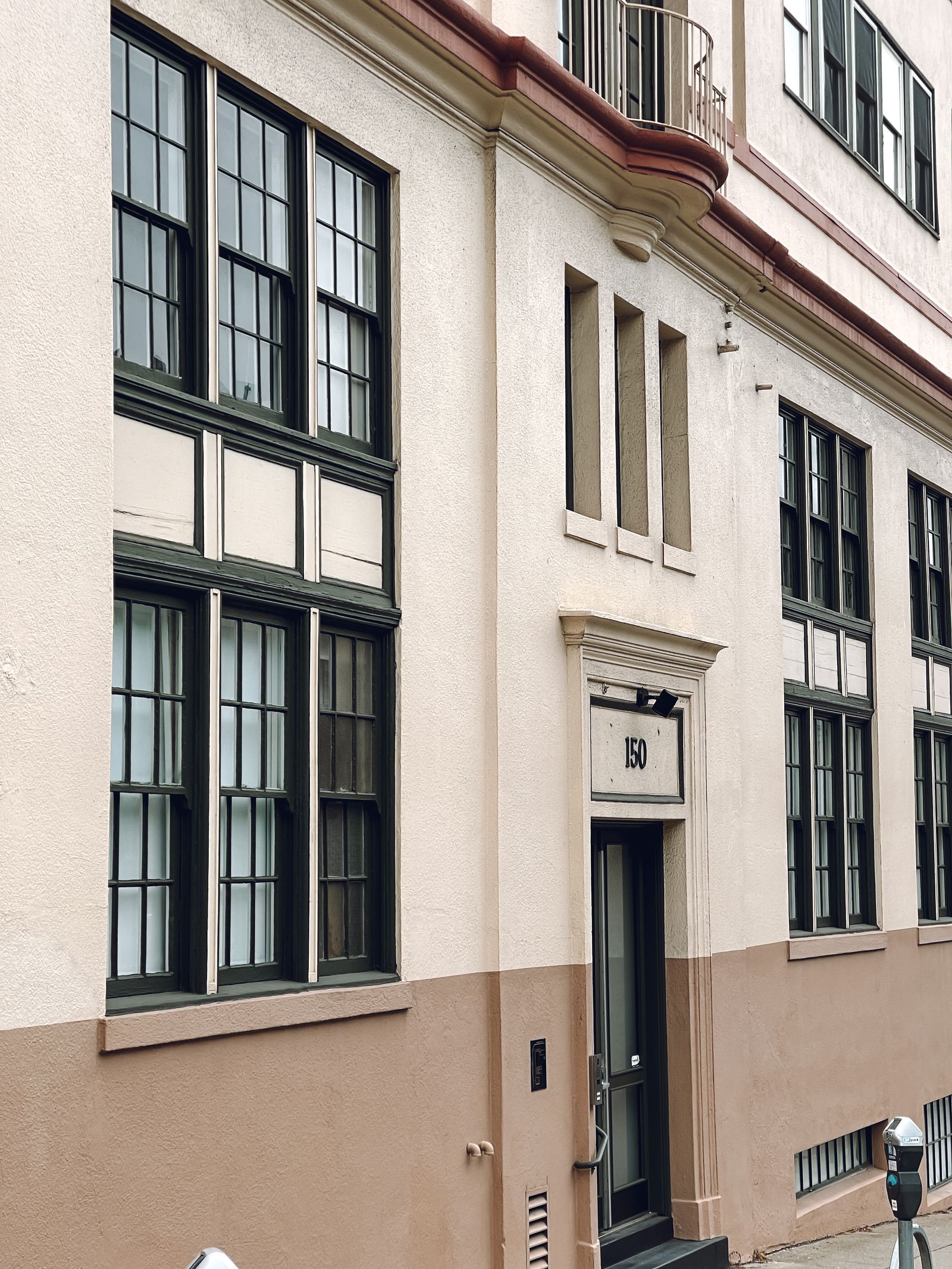
Soft washing is often a fit when compatible organic growth, pollen, dust, or atmospheric film can be loosened with a tested solution and controlled rinse. Lower mechanical force may reduce the risk of forcing water into joints or damaging a finish, but it does not remove all risk. Chemistry, dwell time, overspray, temperature, wind, plant protection, and rinse direction still matter. A test area should be evaluated after drying, especially on painted masonry, EIFS, historic brick, stone, or a facade with unknown maintenance history.
Portland's wet climate can make moss, algae, and lichen look like the obvious target, but the mark may also involve moisture, roof discharge, shade, or failed coating. Soft washing can improve a compatible visible condition; it cannot correct an open joint, leaking gutter, trapped water, or degraded substrate. A good proposal says what the process can address, what may remain, and what observation should be referred to the property engineer or another specialist.
- Identify brick, mortar, stucco, EIFS, concrete, paint, glass, metal, and coatings.
- Test the chemistry and rinse on a representative area before broad work.
- Separate routine organic staining from mineral, rust, oxidation, and repair conditions.
- Define the appearance and finish standard before mobilization.
Pressure washing has a narrower job than many proposals imply
Pressure washing can make sense for selected durable ground surfaces or other areas where water force, flow, nozzle, distance, and operator control match the material. A concrete service apron, for example, is a different decision from an aging painted wall or an EIFS elevation. Excess force can remove paint, scar softer masonry, damage mortar, drive water behind trim, disturb sealants, or leave visible wand marks. The apparent hardness of a wall from the parking lot does not establish its actual tolerance.
Ask the contractor to describe the pressure method by service zone rather than saying the entire building will be power washed. The scope should explain test areas, surface exclusions, plant and window protection, water volume, runoff controls, and what happens when the stain does not respond. If the property needs scraping, hand agitation, squeegee work, mineral removal, or coating restoration, pressure alone is not the complete answer. More force can create a larger repair conversation while leaving the original condition unresolved.
Portland access and neighborhoods affect the comparison
A method that is efficient on a fenced warehouse is not automatically efficient on a downtown sidewalk. Downtown, Old Town, the Pearl, Lloyd, and the Central Eastside can require tight staging, pedestrian routing, transit awareness, loading coordination, and protection of adjacent businesses or residents. A Northeast or Southeast neighborhood storefront may have customers close to the wall, outdoor seating, landscaping, and limited off-street space. An Airport-area or industrial property may offer more room but include trucks, shift changes, gates, and active loading. The building's operation changes the access calculation.
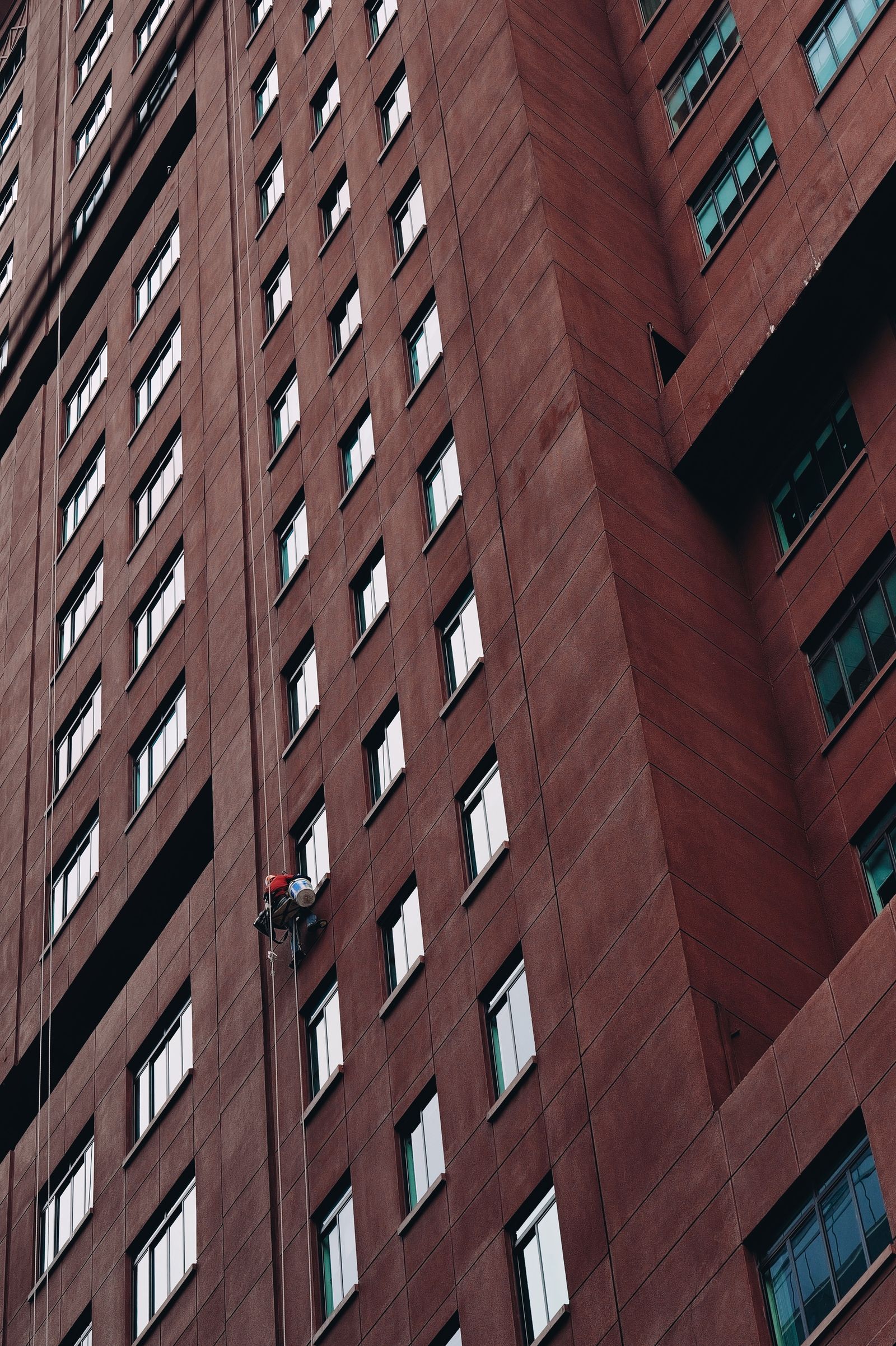
Drone-assisted wetting or rinsing can reduce lift repositioning on broad upper zones when stand-off space, launch and recovery, water access, visual control, wind, and ground safety are workable. Trees, wires, balconies, canopies, rooftop equipment, public streets, and neighboring buildings can rule it out. A lift, pole-fed system, or hand crew may be better for a small contact-cleaning area or a required finish. The quote should compare the complete operation, including staging, barriers, hoses, observers, water, handoff, and downtime, rather than comparing equipment labels alone.
Rain, shade, moss, and runoff require a Portland plan
Wet-season scheduling affects chemistry, dwell, drying, visibility, pedestrian safety, and the ability to tell whether a surface has reached the requested finish. Rain can dilute an application or change the water path. Wind can move spray toward doors, plants, people, or vehicles. Shade and cool masonry can keep surfaces damp, while direct summer sun can change drying behavior. Set a clear pause and reschedule trigger before work begins instead of treating weather as an afterthought.
Runoff planning is equally important. Map storm inlets, slopes, low points, landscaped areas, public sidewalks, loading zones, and neighboring property. Portland's Bureau of Environmental Services provides stormwater resources that support site-specific planning, but no generic webpage approves every discharge. The actual cleaning products, soil, coating particles, oils, bird residue, and water volume matter. Recovery, containment, filtration, disposal, or authority coordination may be required depending on the site. A quote should explain the intended controls and the information that still needs confirmation.
- Review current rain, wind, temperature, and drying conditions before each elevation.
- Map drains, inlets, landscaping, public routes, and neighboring property.
- Compare water and recovery needs, not only pressure at the nozzle.
- Leave the building and public edge safe if work must stop early.
Separate cleaning from restoration, repair, and inspection
A wash is not a facade inspection or a repair program. Cracked panels, loose materials, failed sealants, active leaks, corrosion, coating loss, and suspected structural distress should be documented and referred to the appropriate qualified professional. Cleaning can expose a condition that was previously hidden, but the crew should not claim to diagnose the building envelope. If an engineer, owner, or manufacturer has provided exclusions or a repair sequence, the cleaning scope should follow those instructions.
The distinction also keeps appearance expectations realistic. Hard-water deposits, oxidation, rust, construction adhesive, paint, etched glass, and embedded residue may need specialty treatment or contact access. A soft wash may remove biological film while leaving permanent discoloration. Pressure may brighten a durable surface while making a coating failure more visible. A responsible proposal describes the likely result and stop point rather than promising that every mark can be washed away.
Compare quotes by result and operating risk
Give each bidder the same address, photos, approximate height, materials, target elevations, staining concerns, water access, drainage information, public routes, tenant or guest constraints, and desired finish. Then ask for a surface-by-surface method. The answer should distinguish soft washing, controlled pressure, rinsing, hand detail, glass cleaning, restoration, and excluded repair. This makes it possible to compare the actual purchase instead of comparing a low headline price for an undefined building wash.
Ask how the team will test the process, protect windows and landscaping, manage pedestrians and vehicles, route hoses, coordinate entries, review weather, and document closeout. For drone-assisted work, ask which elevations are suitable, which remain ground or contact access, and how airspace and operations around people will be addressed. A property owner's permission is not a substitute for federal aviation compliance, and a low-pressure label is not a substitute for a material-specific plan.
- Require a defined finish and method for each material and elevation.
- Separate maintenance cleaning from restoration, glass detail, and repairs.
- Review access, public safety, weather, water, and runoff controls before approval.
- Request completed-zone photos, exclusions, and next-visit recommendations.
Get a Portland method recommendation
Choose soft washing when compatible chemistry and lower-pressure rinsing fit the substrate and stain. Choose controlled pressure when a durable surface and soil call for mechanical force. Choose contact cleaning or specialty restoration when the result requires touching, scraping, polishing, squeegee work, or repair. Most Portland commercial properties need that decision by zone: the concrete service area may differ from the painted facade, the canopy may differ from the glass, and the north wall may differ from the sun-exposed elevation.
Drone Building Cleaners can review commercial offices, hotels, retail, medical buildings, campuses, warehouses, mixed-use properties, parking structures, and other exteriors. We will identify where drone-assisted delivery may help, where another access method is more suitable, and which visible conditions should be referred. For a quote, call +1 239-351-2897, email contact@dronebuildingcleaners.com, or send the Portland property details through the quote form. The goal is a clear scope and a result the property team can evaluate after the crew leaves.